
Projects
Research Opportunities
Ten Research Projects in Simulation and Manufacturing
Project topics in which the laboratory combines multiphysics simulation, optimization, and machine learning to support semiconductor crystal growth and advanced manufacturing.

Silicon Crystal Growth & Furnace Design
Design and evaluate CZ furnace configurations to support larger silicon crystals, effective heat removal, and improved production efficiency.
Model and design scope
- Hot-zone and cooling-system design
- Melt flow and crystal-front prediction
- Diameter scale-up and energy analysis
Project outputs
Thermal-field maps, design comparisons, and recommended furnace configurations.
- Furnace geometry and settings
- Coupled thermal-fluid simulation
- Design and scale-up guidance
Silicon Defect & COP Control
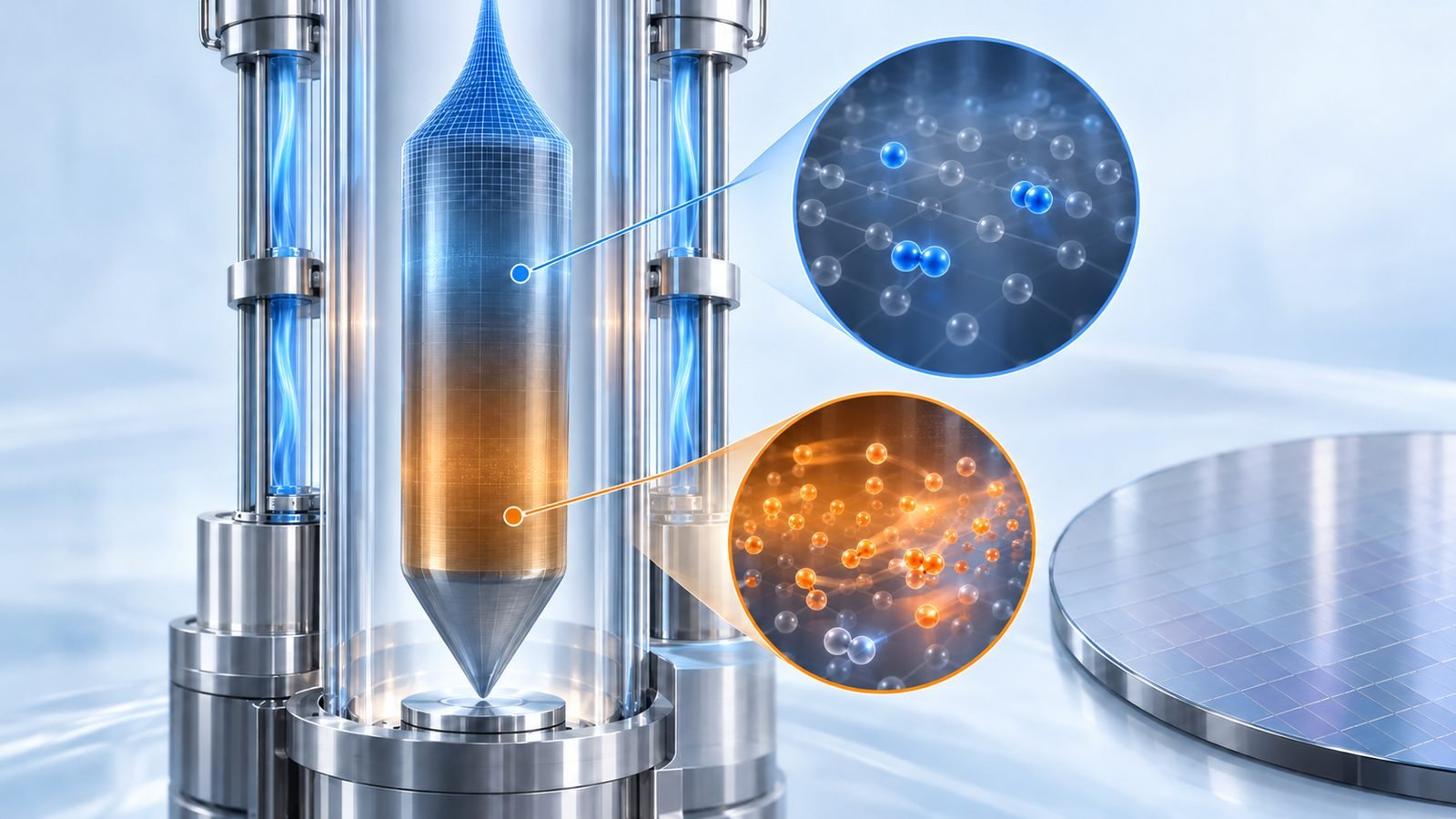
Connect growth conditions and cooling history to intrinsic point defects and void formation, supporting crystal-quality improvement.
Model and design scope
- Vacancy and interstitial transport
- Void nucleation and agglomeration
- Pulling-speed and cooling strategies
Project outputs
Defect-distribution maps, COP-risk comparisons, and candidate process settings.
- Thermal history and pulling rate
- Point-defect and void modeling
- Defect-control recommendations
Oxygen Transport & Impurity Control
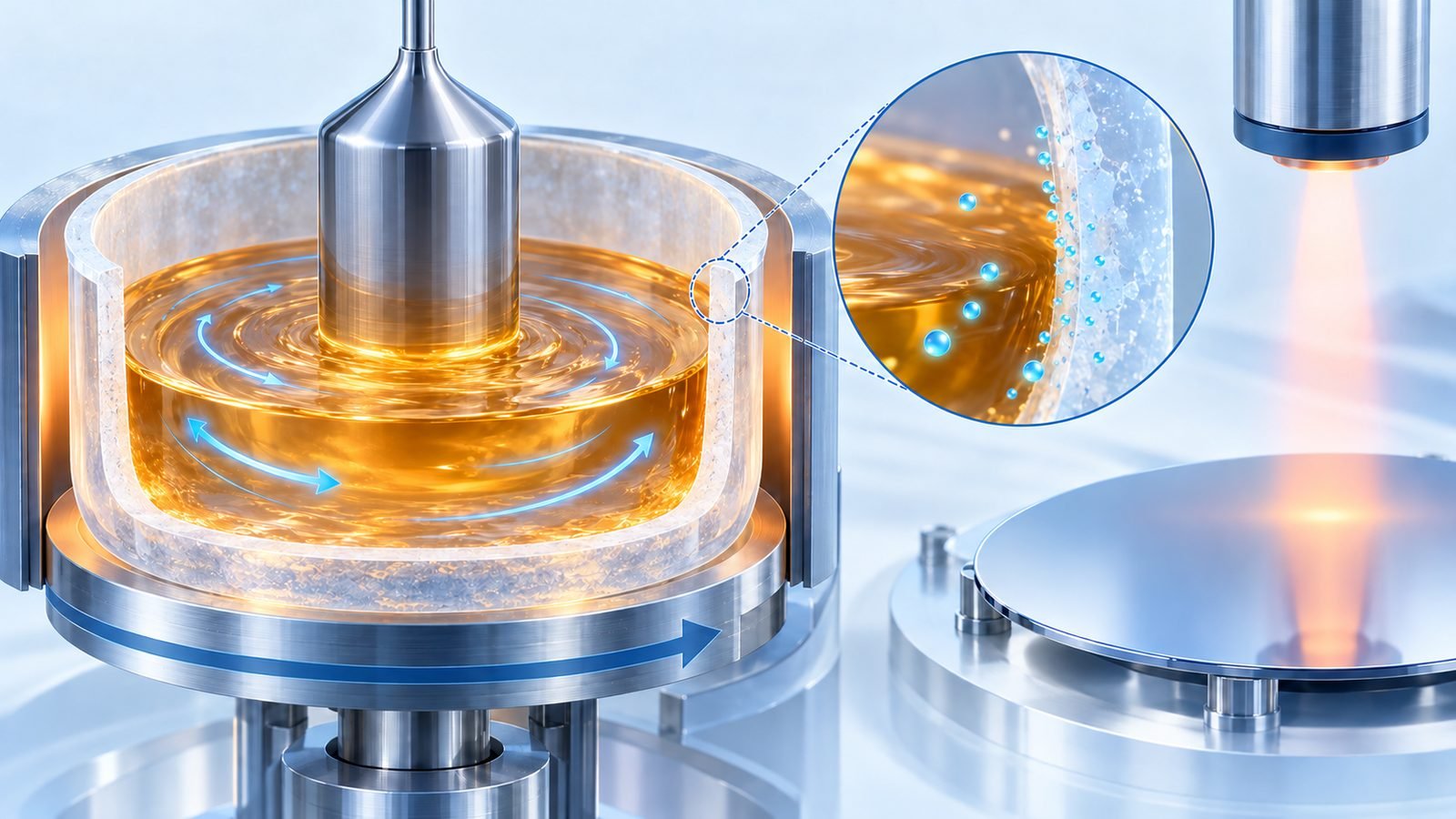
Understand how crucible interactions, heater geometry, and melt motion govern oxygen incorporation into silicon crystals.
Model and design scope
- Crucible oxygen release and melt transport
- Heater geometry and rotation effects
- Calibration using measured oxygen data
Project outputs
Oxygen-concentration maps, parameter sensitivity, and impurity-control guidance.
- Crucible and heating conditions
- Coupled oxygen-transport model
- Impurity-control design options
AI-Assisted Crystal Growth Optimization
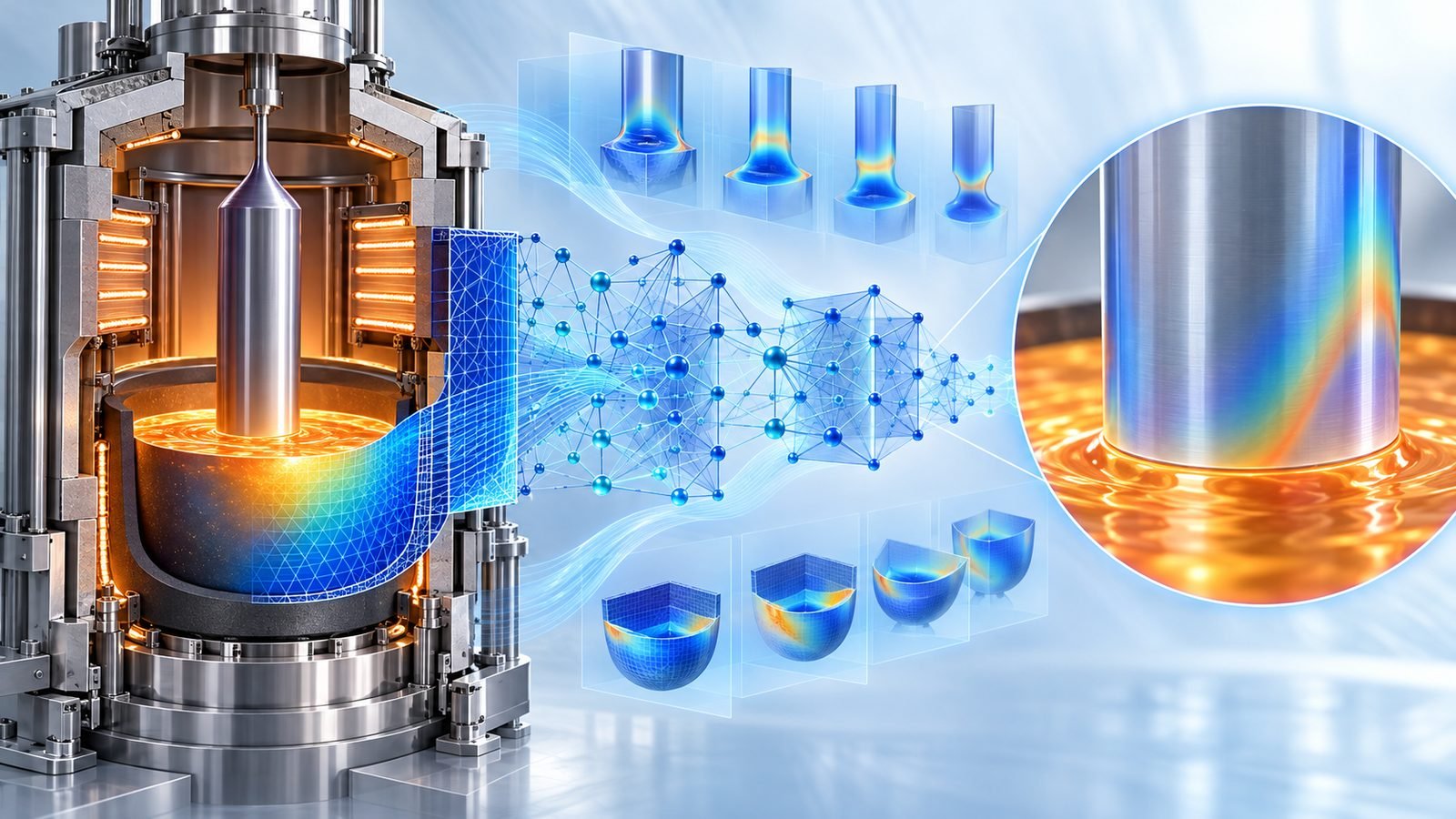
Combine finite-element simulations, machine learning, and numerical search to predict crystal behavior and explore promising operating conditions.
Model and design scope
- FEM datasets and predictive models
- Interface-deflection and stress prediction
- Parameter ranking and design search
Project outputs
Assessed predictive models, parameter rankings, and candidate operating windows.
- Generate physics-based datasets
- Train models and search designs
- Predict and compare growth settings
Uniform Wafer Annealing
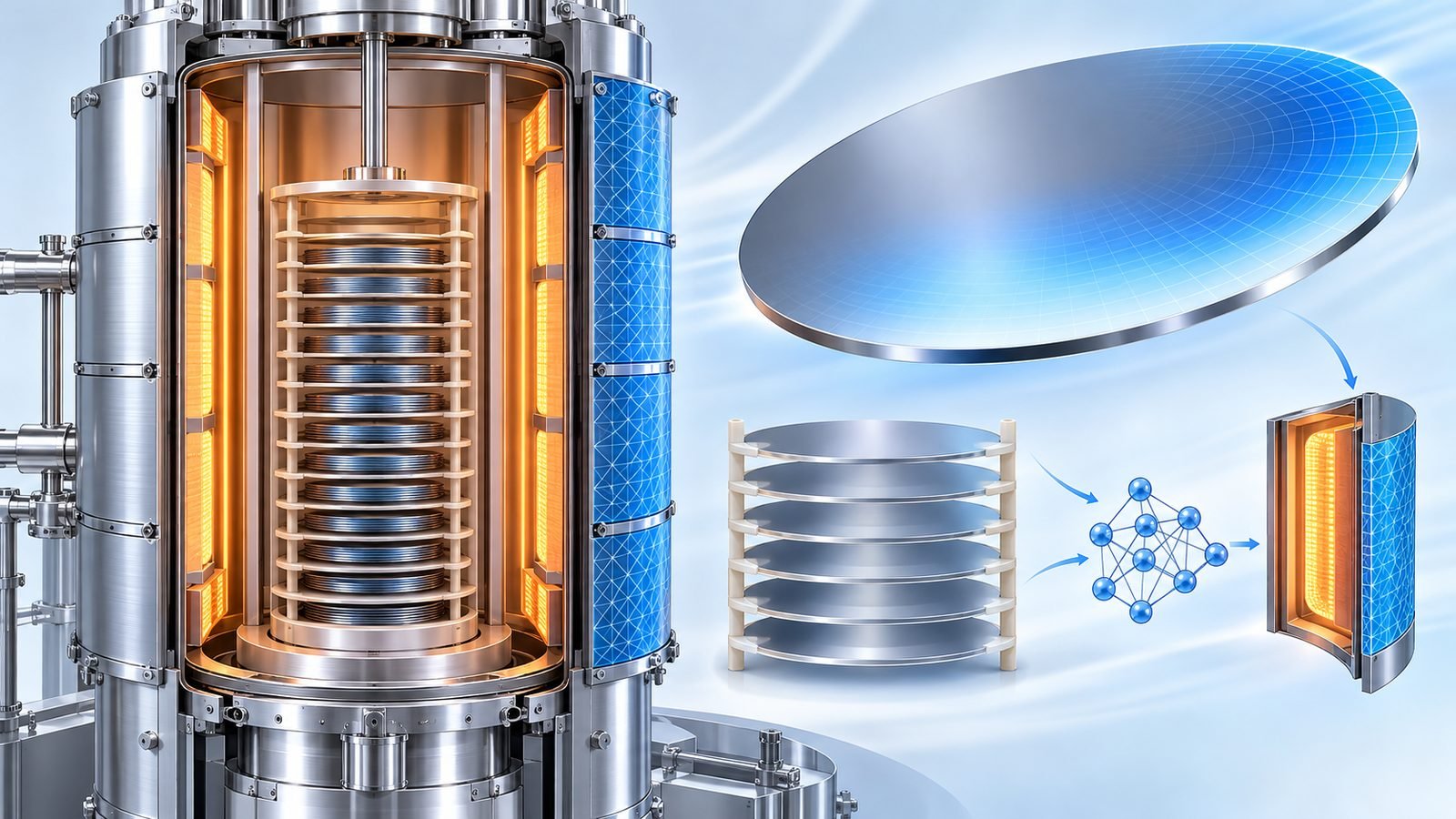
Improve temperature uniformity in vertical batch furnaces by evaluating heater-zone layouts, wafer spacing, and thermal-processing conditions.
Model and design scope
- Batch furnaces for 300 mm silicon wafers
- Heater-zone and wafer-spacing studies
- FEM and ML-assisted thermal optimization
Project outputs
Temperature-uniformity maps, heater-layout comparisons, and recommended wafer spacing.
- Furnace and wafer-stack geometry
- Thermal simulation and ML search
- Uniformity-focused design guidance
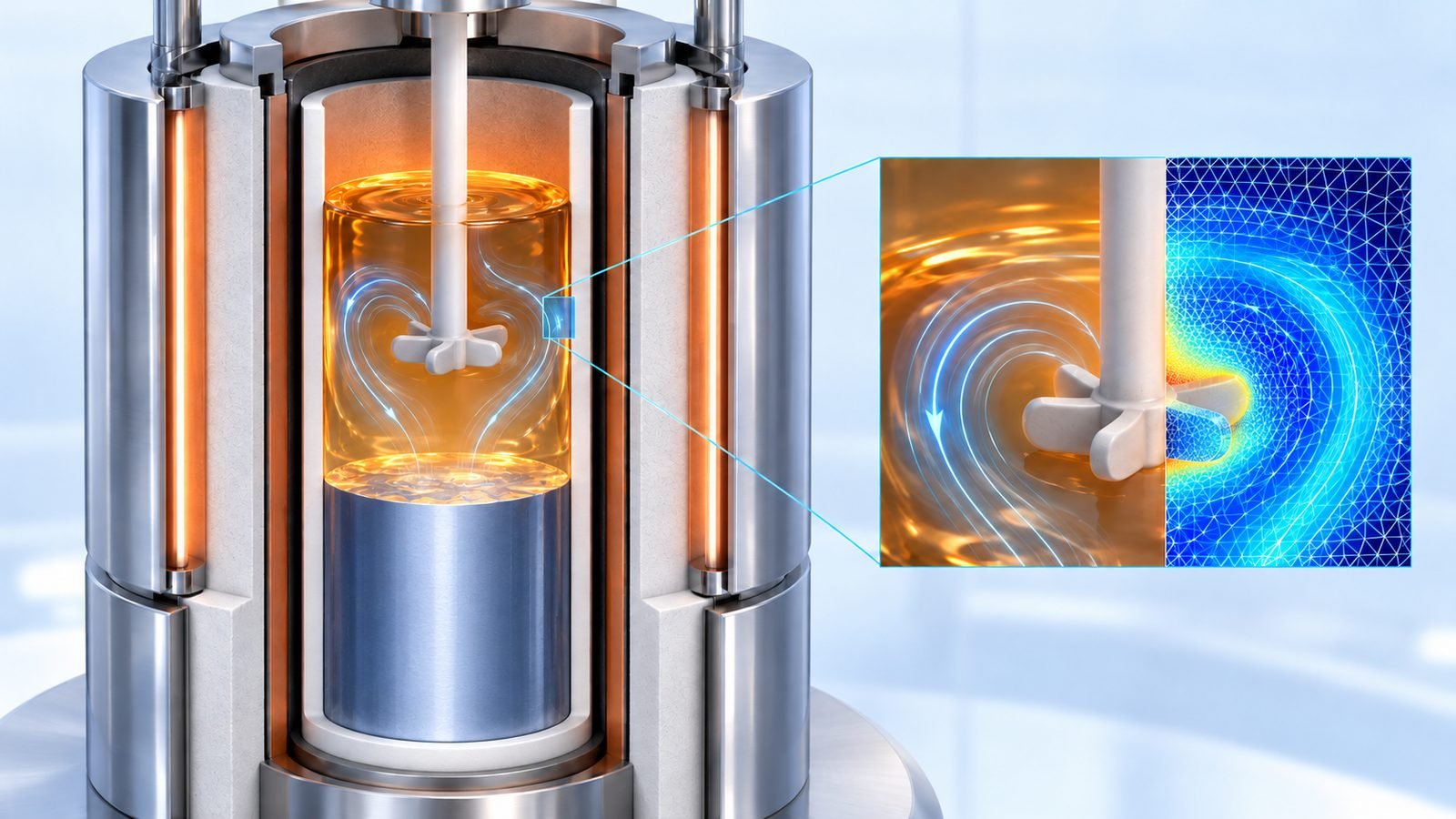
InP Crystal Growth & VGF Design
Develop heating and melt-conditioning concepts for InP vertical gradient freeze growth while assessing interface shape and thermal stress.
Model and design scope
- Tailored single-heater configurations
- Rotor-assisted melt conditioning
- Interface shape and thermal-stress control
Project outputs
VGF design comparisons, growth-front predictions, and thermal-stress assessments.
- Heater and melt-conditioning design
- Transient VGF simulation
- Growth-quality trade-off assessment
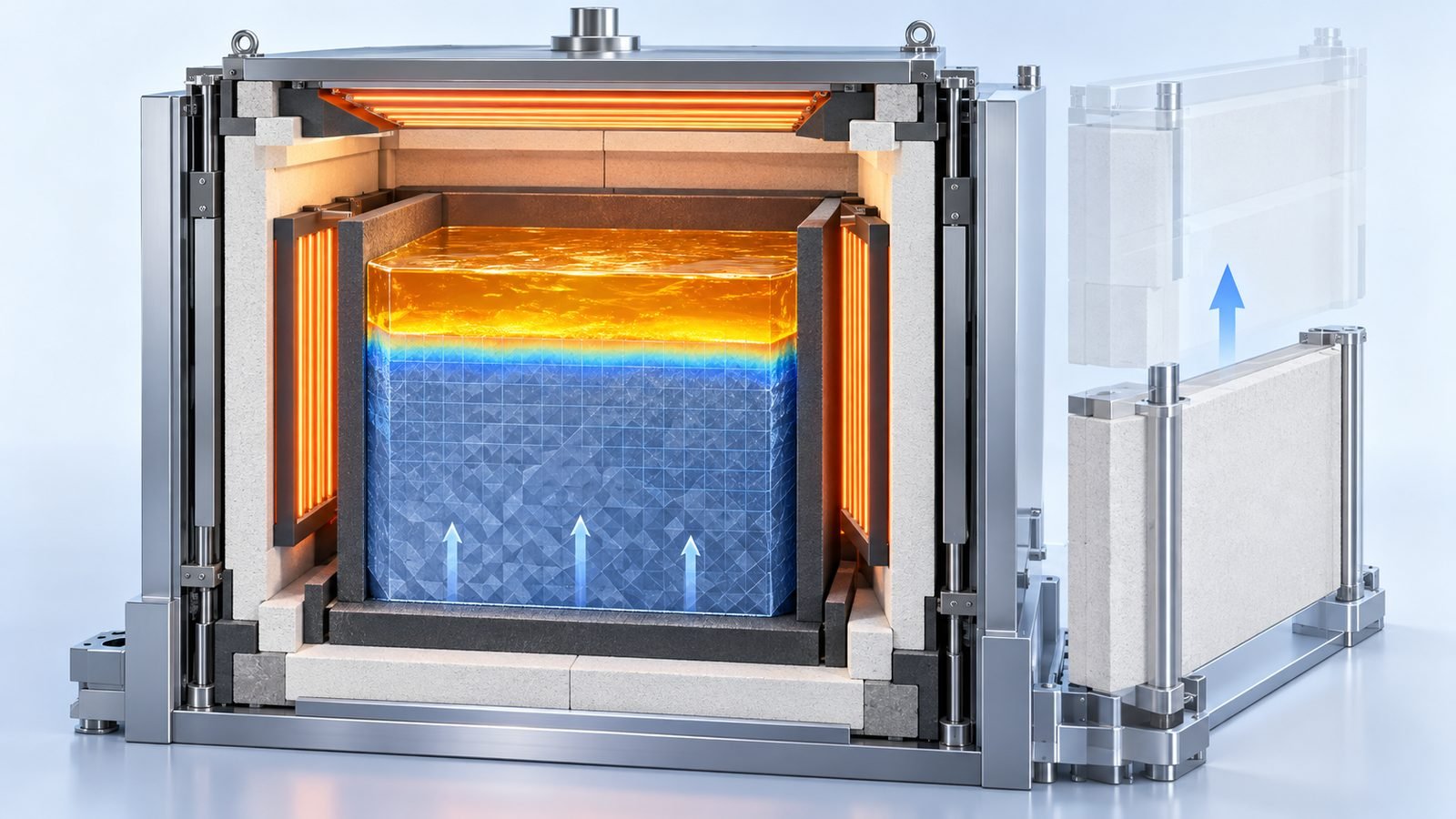
Silicon Casting & Thermal Stress Control
Evaluate heat-input balance and insulation movement to control solidification, interface shape, and stress during silicon ingot casting.
Model and design scope
- Side- and top-heater power balance
- Moving insulation and casting rate
- Interface evolution and thermal stress
Project outputs
Solidification histories, stress maps, and heater/insulation operating recommendations.
- Heater balance and insulation motion
- Transient casting and stress analysis
- Solidification-control guidance
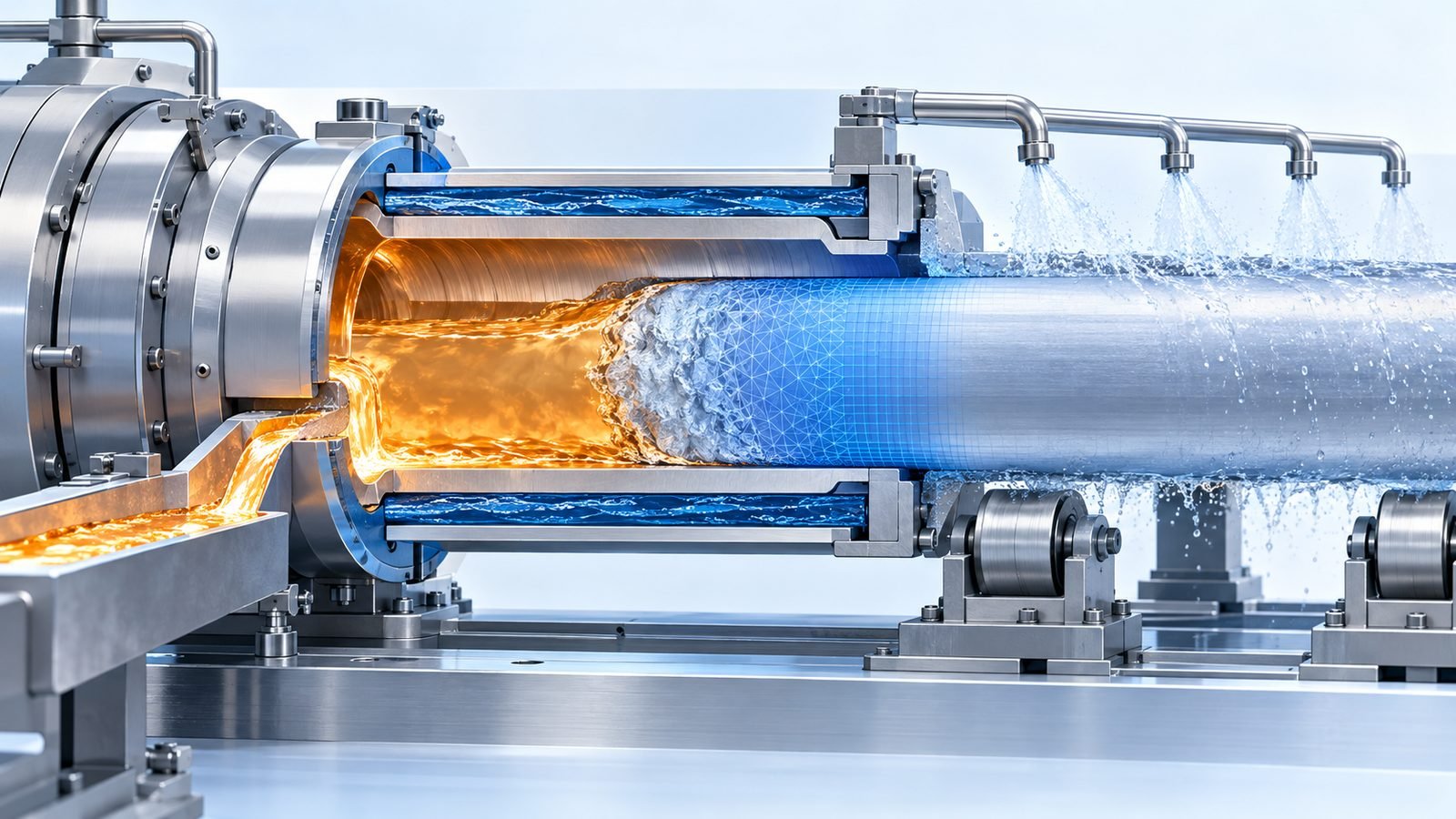
Aluminum Direct Chill Casting Optimization
Improve horizontal aluminum casting by linking melt-inlet placement, casting speed, and cooling conditions to sump shape and solidification uniformity.
Model and design scope
- Horizontal direct chill casting
- Inlet height, casting speed, and cooling
- Sump symmetry and mushy-zone analysis
Project outputs
Sump-profile predictions, inlet-design comparisons, and casting-condition guidance.
- Inlet and cooling configuration
- Flow and solidification simulation
- More balanced casting conditions
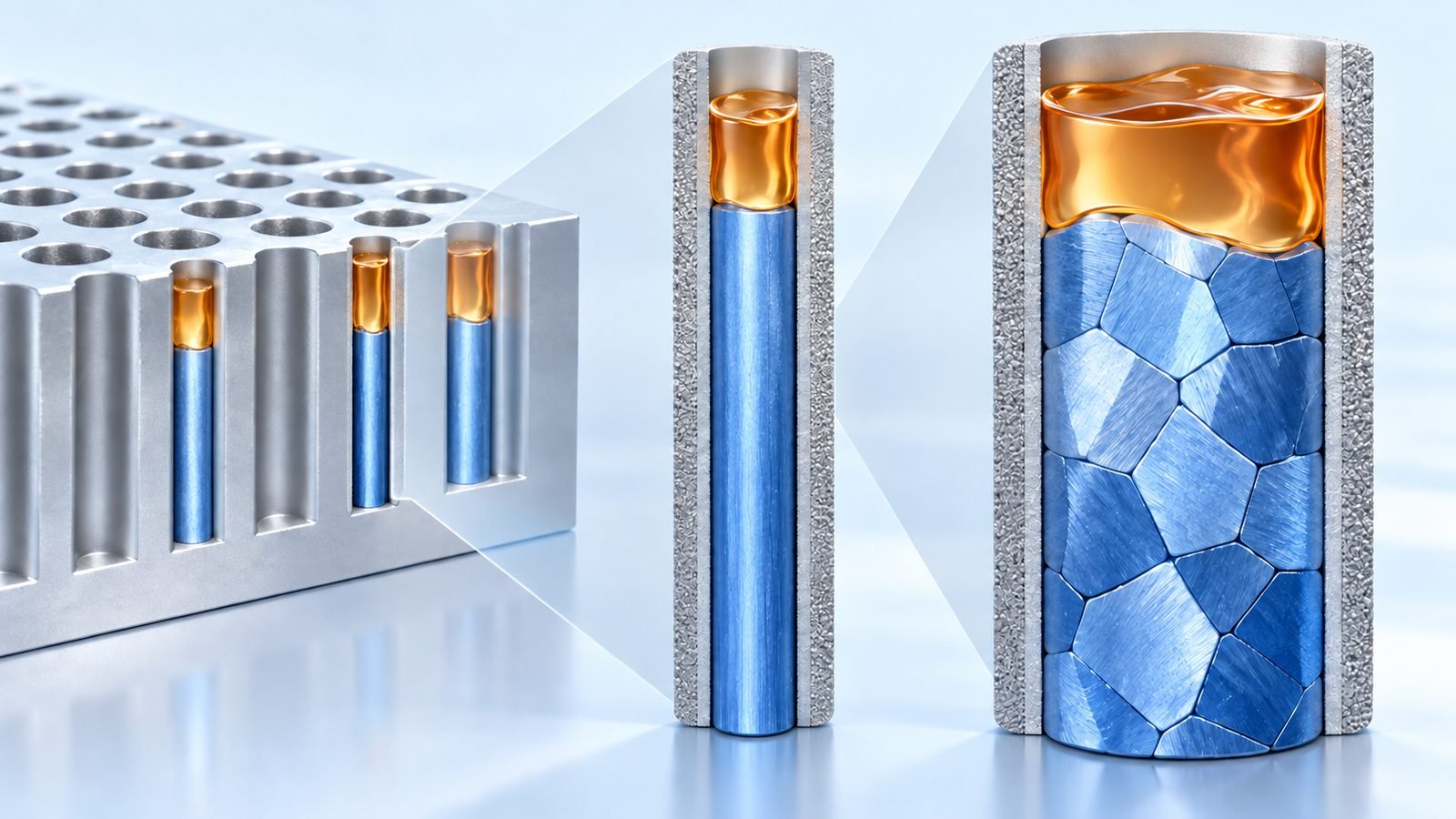
Nanowire Solidification & Grain Engineering
Connect nanoscale heat removal and interface behavior to nucleation and grain development during templated metal-nanowire casting.
Model and design scope
- Templated Pb nanowire solidification
- Finite elements and cellular automata
- Diameter-dependent grain development
Project outputs
Solidification and grain-structure predictions, with diameter-dependent growth guidance.
- Template dimensions and properties
- Coupled thermal and grain modeling
- Predict single- or multigrain growth
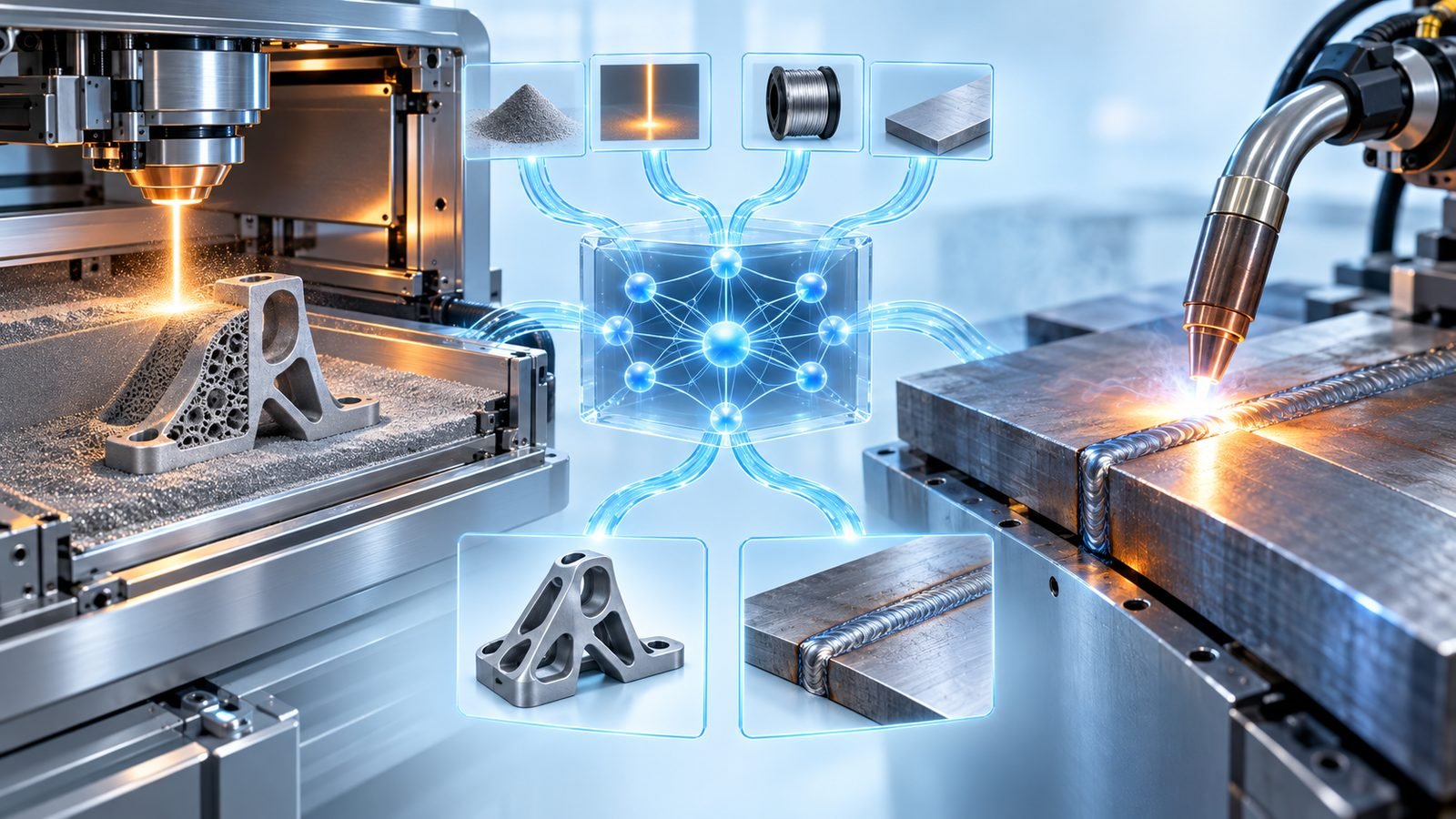
AI for Additive Manufacturing & Welding
Build predictive models linking manufacturing settings to Ti-6Al-4V printed-part density and welded-joint tensile strength.
Model and design scope
- SLM density and GMAW strength prediction
- Regression and ensemble-model comparison
- Parameter importance and candidate settings
Project outputs
Predictive models, performance summaries, and parameter guidance for follow-up experiments.
- Collect and prepare process data
- Train and compare predictive models
- Prioritize manufacturing settings
Images are conceptual illustrations, not to scale.